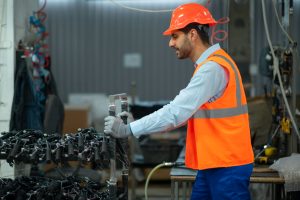
Steel has become one of the most important materials in modern construction and infrastructure development. From industrial buildings and warehouses to bridges and marine facilities, steel structures form the backbone of long lasting and reliable projects. However, the strength of steel alone is not enough. The way it is fabricated determines whether a structure performs safely and efficiently over time.
Steel fabrication is the process of cutting, shaping, assembling, and welding raw steel into structural components used in construction. Accurate fabrication ensures that every part fits correctly during installation and performs under load without structural stress.
Why Fabrication Quality Matters
Construction projects depend heavily on precision. Even minor dimensional errors in fabricated components can create major problems at the installation stage. Misaligned holes, uneven beams, or incorrect measurements can delay projects and compromise structural stability.
Proper fabrication ensures:
- Correct structural alignment
- Faster installation on site
- Reduced rework and modification
- Better load distribution
- Improved long term durability
When fabricated components match engineering drawings accurately, construction teams can assemble structures smoothly without forcing connections or making adjustments.
Structural Strength and Safety
Steel structures must handle constant load, environmental stress, vibration, and weather conditions. Weak welding or inaccurate cutting can create weak points that eventually fail under pressure.
Professional fabrication focuses on:
- Proper joint preparation
- Controlled welding procedures
- Uniform material thickness
- Accurate load bearing connections
These factors ensure the structure performs safely throughout its service life.
Importance of Custom Fabrication
Every project is different. Industrial plants, marine structures, and infrastructure facilities require unique structural designs. Custom steel fabrication allows engineers to create components specifically suited for the application.
Custom fabrication supports:
- Specialized machinery foundations
- Marine support structures
- Equipment platforms
- Heavy duty frames
- Infrastructure supports
Tailored fabrication improves compatibility between structure and equipment, preventing vibration and operational instability.
Efficiency During Installation
One of the biggest advantages of accurate fabrication is faster installation. When components arrive ready for assembly, project timelines improve significantly. Workers do not need to drill additional holes or adjust beams on site.
Benefits include:
- Reduced labor time
- Lower installation cost
- Safer working conditions
- Predictable project scheduling
This is particularly important in large scale construction where delays can affect multiple contractors.
Welding Quality and Durability
Welding plays a central role in steel fabrication. Poor welding can cause cracks and structural fatigue over time. Skilled welders follow approved welding procedures and inspect joints carefully to ensure reliability.
Strong welding provides:
- High structural strength
- Resistance to vibration
- Protection against fatigue failure
- Long service life
Quality welding ensures the structure remains stable even in demanding industrial environments.
Surface Treatment and Protection
After fabrication, steel components often require finishing processes such as grinding and protective coating. These treatments prevent corrosion and improve durability, especially in marine and outdoor environments.
Proper finishing helps:
- Prevent rust formation
- Improve appearance
- Extend structural lifespan
- Reduce maintenance needs
Protective treatment is essential for infrastructure exposed to moisture and temperature changes.
Steel Fabrication in Industrial Applications
In industrial facilities, fabricated steel structures support heavy equipment, pipelines, and mechanical systems. Accuracy becomes even more critical because machinery alignment depends on structural stability.
Reliable fabrication ensures equipment operates without vibration or misalignment, which improves operational efficiency and safety.
Long Term Project Value
Well fabricated steel structures require minimal maintenance and maintain strength over decades. Investing in proper fabrication reduces operational costs in the future.
Long term advantages include:
- Lower repair expenses
- Improved structural safety
- Higher operational reliability
- Extended project lifespan
Choosing experienced fabrication support prevents costly structural corrections later.
Conclusion
Steel fabrication is far more than shaping metal. It is a critical engineering process that determines the safety, efficiency, and durability of construction and infrastructure projects. Accurate fabrication ensures components fit perfectly, structures remain stable, and installation proceeds without delays.
For contractors and project owners, working with a professional fabrication team provides long term value. Proper fabrication saves time during construction and prevents expensive repairs in the future. In modern construction, strong structures begin with precise fabrication.